In 2020, Myanmar’s Ministry of Construction initiated a major road upgrade on the Yangon–Pathein Highway, a key route connecting the country’s largest city with the Ayeyarwady Region. The project’s goal was to improve traffic safety, reduce travel time, and enhance long-term durability by upgrading the roadway to ASEAN Class III standards.
The upgrade covered approximately 120 kilometers of roadway, expanding each lane to 5.5–6 meters in width and resurfacing the pavement with high-quality asphalt. A critical component of the plan was the installation of new, highly visible thermoplastic road markings to ensure driver safety, especially in low-light and adverse weather conditions.
Thermoplastic road marking paint is widely recognized in Myanmar for its exceptional durability, strong retroreflectivity, and superior adhesion to pavement surfaces. Unlike cold-applied paint, thermoplastic is applied hot, allowing it to fuse with the road surface to create a longer-lasting bond that resists wear from heavy traffic and tropical weather.
The Yangon–Pathein project followed Myanmar’s standard highway marking guidelines, which require the use of hot-melt thermoplastic with embedded high-reflectivity glass beads. These beads improve nighttime visibility and help markings remain bright and clear even during the monsoon season.
The marking plan for this project included:
All markings were designed to withstand Myanmar’s hot, humid climate and the high axle loads typical of intercity freight traffic.
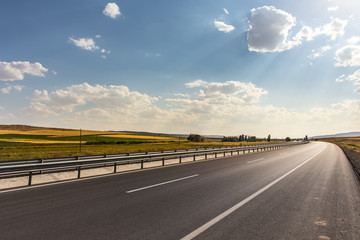
Although the official tender documents did not name a specific supplier, the contractor selected BOLE’s thermoplastic road marking paint for its proven performance and compliance with Myanmar’s highway marking standards. BOLE supplied a white and yellow high-reflectivity formulation, optimized for a 2.5 mm application thickness to match the project’s durability goals.
The paint was applied using professional thermoplastic line marking machines, ensuring precise edges, uniform bead distribution, and consistent line thickness across the entire highway section. The result was a smooth, bright marking system that significantly improved lane visibility and driver guidance.
Post-installation inspections showed:
BOLE’s thermoplastic road marking paint is engineered to meet the demands of Southeast Asian climates and traffic patterns. For Myanmar’s projects, BOLE can customize:
In addition to supplying certified paint products, BOLE provides matching road marking equipment, logistics coordination for imports, and on-site technical guidance to ensure successful project delivery.
The Yangon–Pathein Highway upgrade demonstrates Myanmar’s commitment to improving road safety through infrastructure investment. By selecting thermoplastic road marking paint from a trusted supplier like BOLE, the project achieved long-lasting, high-visibility markings that will serve road users for years to come.


