A thermoplastic preheater is a crucial piece of equipment in road marking projects. It melts solid thermoplastic powder into a molten liquid, keeps it at the correct temperature, and ensures uniform quality for durable, reflective lines. Without this machine, applying thermoplastic paint efficiently and effectively would not be possible.
The purpose of a thermoplastic preheater is to prepare marking paint for application by melting, heating, and maintaining its quality. This ensures smooth application and long-lasting results.
The preheater melts thermoplastic powder or granules into liquid form, enabling it to flow easily onto the road surface for uniform markings.
It stabilizes the paint at 180–210 °C, the optimal temperature range for adhesion, reflectivity, and durability. This prevents cooling too quickly or overheating during application.
By eliminating unmelted lumps and preventing burning, the preheater ensures that the markings have consistent color, brightness, and strength.
Thermoplastic preheaters integrate heating, mixing, and safety features to prepare the paint for field use.
Most preheaters use LPG, diesel, or natural gas burners. Insulated kettles reduce heat loss and improve energy efficiency while maintaining steady heating.
Mechanical or hydraulic paddles stir the molten paint continuously. This avoids sedimentation of heavy fillers or glass beads and ensures even viscosity.
Insulated tanks, pressure relief valves, and temperature control devices are built-in to protect operators and ensure reliable operation in all conditions.
Thermoplastic preheaters are used in diverse road marking environments. From municipal streets to airports, they supply molten paint for durable, reflective lines that improve road safety.
Daily markings such as lanes, crosswalks, and bicycle paths require a reliable preheater to provide molten paint consistently.
On highways, preheaters supply paint for continuous, large-scale line markings. Double-cylinder models are particularly effective here for uninterrupted melting and application.
Airports and ports demand wide, heavy-duty markings. Preheaters ensure large volumes of paint are prepared at the right quality to handle heavy traffic.
Compact preheaters serve smaller but frequent projects in parking facilities and industrial areas, balancing mobility and efficiency.
Using a thermoplastic preheater brings significant advantages in efficiency, quality, and cost savings. It melts large volumes quickly, ensures proper adhesion, and reduces waste for long-lasting, cost-effective markings.
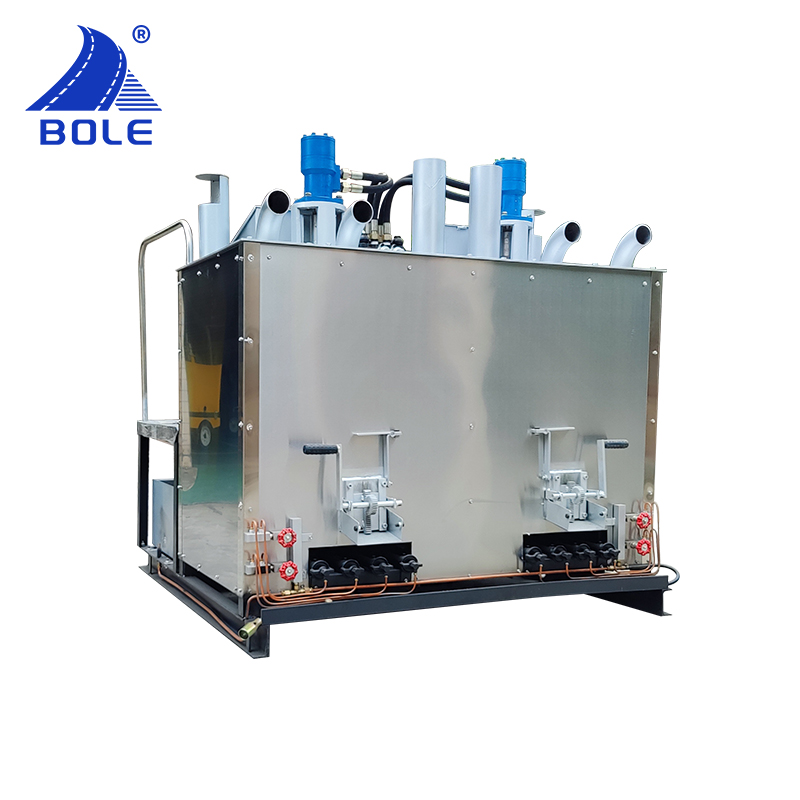
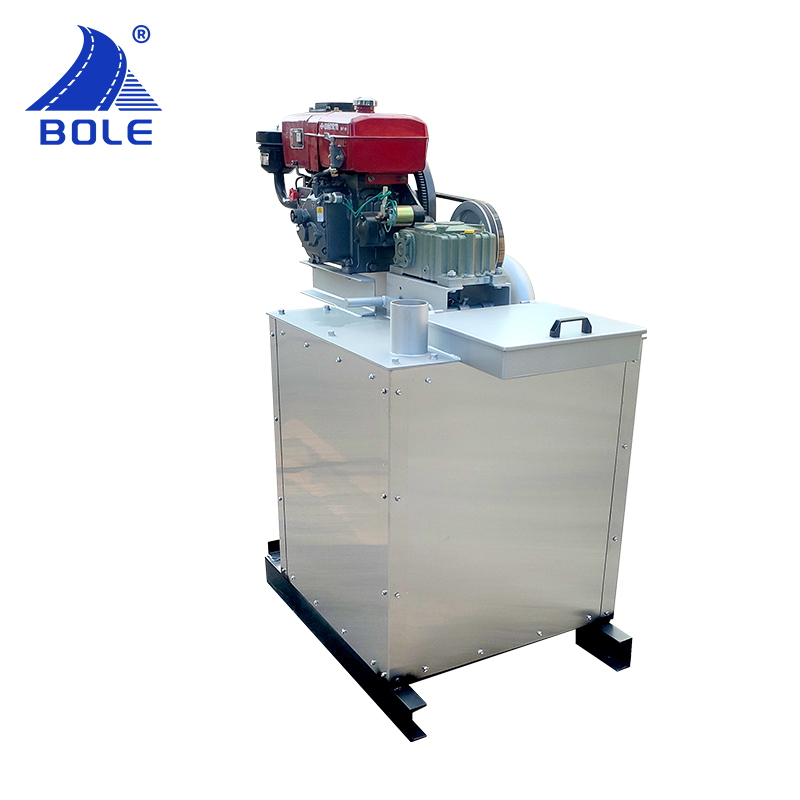
Contractors can choose from different preheater types depending on project scale and operational requirements.
A single-cylinder thermoplastic preheater is compact, portable, and suitable for small to medium projects. It offers a balance of affordability and practicality, making it popular for municipal or smaller-scale works.
For high-capacity and continuous operations, the double-cylinder thermoplastic preheater is ideal. One cylinder melts while the other supplies molten paint, ensuring an uninterrupted workflow in large projects like highways and airports.
When selecting a preheater, contractors should consider project size, daily output requirements, available fuel types, mobility, and durability. Choosing the right model ensures efficiency, reliability, and long-term cost savings.
A thermoplastic preheater is the backbone of any road marking project. By ensuring the paint is properly melted, mixed, and maintained at the correct temperature, it enables safe, efficient, and durable line markings. Selecting the appropriate preheater type guarantees quality results for projects of any scale.


