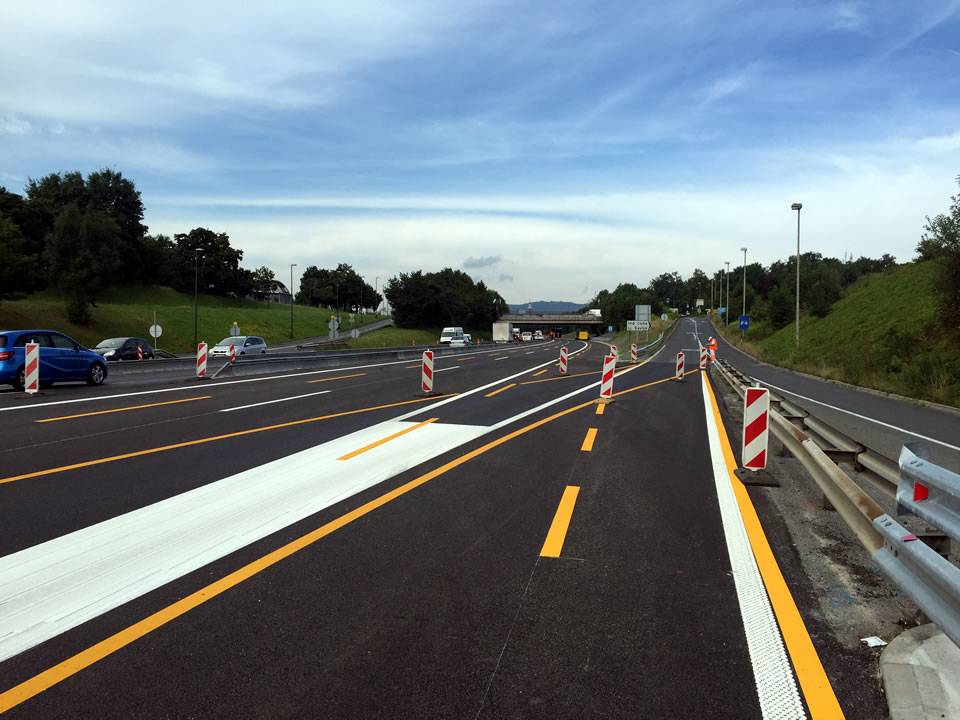
Thermoplastic road marking paint is a type of road marking material that is heated to a molten state and applied to roads, highways, and other surfaces. It hardens as it cools, forming durable and highly reflective markings that increase road visibility, especially at night or during low-light conditions.
The lifespan of thermoplastic road marking paint can vary depending on several factors, including traffic conditions, weather, and the quality of application. Let's take a closer look at the key elements that influence how long your road markings will last.
One of the biggest factors affecting the lifespan of thermoplastic road marking paint is the amount of traffic a road experiences. High-traffic areas such as highways and busy city streets will wear down road markings more quickly than low-traffic residential roads.
Additionally, roads that see frequent heavy vehicle traffic, such as trucks and buses, will cause more wear and tear on the markings, leading to a shorter lifespan.
Climate plays a significant role in determining the durability of thermoplastic road markings. For example, regions with extreme heat or cold, heavy rainfall, or frequent snow can cause the markings to deteriorate faster.
The thickness of the thermoplastic paint layer applied to the road can also affect its longevity. Standard thermoplastic road markings are typically applied in layers of 1.5mm to 3.5mm, with thicker layers offering more durability and a longer lifespan.
The type of surface the thermoplastic paint is applied to also impacts its performance. For instance, smooth surfaces like asphalt and concrete allow for better adhesion, whereas rough or porous surfaces may lead to quicker wear.
The lifespan of thermoplastic road marking paint depends on various environmental factors and traffic conditions. However, here are some general estimates based on common road types:
While thermoplastic road markings are highly durable, there are steps that can be taken to extend their service life:
Regularly inspect the road markings to ensure they are still clearly visible and intact. Maintenance activities like cleaning, touching up, or reapplying paint in specific areas can help prolong the lifespan of the markings.
It’s important to apply thermoplastic paint under the right conditions. For optimal adhesion and durability, avoid applying the paint during extreme weather conditions. Ideal application temperatures are typically between 5°C and 35°C (41°F and 95°F).
Applying an appropriate thickness of thermoplastic paint will ensure better wear resistance. Thicker coatings generally last longer, especially on high-traffic roads.
Thermoplastic road marking paint is a highly durable solution for enhancing road visibility and safety. The lifespan of thermoplastic road markings typically ranges from 1 to 7 years, depending on traffic conditions, climate, and surface type. Regular maintenance and proper application can significantly extend the lifespan of these markings, ensuring long-term safety for all road users.


