In the world of road construction and traffic safety, even the smallest detail matters. One detail often overlooked is the appearance of road paint powders. Buyers and contractors sometimes wonder: why do these powders look different, and what does it mean for performance? As someone deeply involved in thermoplastic road marking materials, I’ve seen how pigments, glass beads, particle sizes, and formulas all leave their mark on the final look. Let’s explore the density range of road paint powders and, more importantly, what their appearance tells us about quality and application.
The density and visual differences of road paint powders come from a combination of pigments, glass beads, particle size, and the overall formulation. These factors work together to create a powder that may look smooth, coarse, shiny, or matte. For buyers, understanding these differences is essential because they directly influence road marking visibility, durability, and safety in real-world projects.
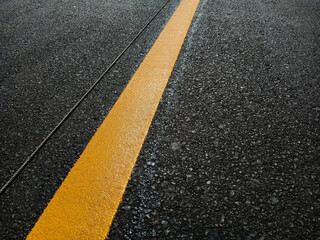
Color is the most obvious characteristic of road paint powders. Pigments like titanium dioxide create bright whites, while lead-free chrome yellow or organic pigments provide strong yellows and reds. The concentration and brightness of these pigments can vary, making some powders appear more vivid. Contractors working on highways often require high-brightness white and yellow, while city roads or school areas may use red or blue for added clarity.
The reflective look of certain powders comes from the presence of glass beads. When pre-mixed into the powder, these tiny spheres give the material a sparkling appearance, especially under light. By contrast, powders without beads look smooth and uniform, lacking visible reflectivity. The choice depends on the safety requirement of the project.
Retroreflectivity is the ability of road markings to bounce light back toward drivers at night. Powders containing glass beads provide a critical safety advantage in low-light conditions. A contractor choosing reflective powders is essentially investing in fewer accidents, safer highways, and compliance with global road marking standards.
Yes, particle size significantly impacts the texture of road paint powder. Fine particles melt quickly and spread evenly, creating a smooth line on asphalt. Coarser particles, however, can make the powder appear grainy, and the melting process may take longer. The balance between fine and coarse granules is often customized depending on whether the marking needs ultra-smooth finishes (like airports) or durability against heavy traffic (like highways).
The composition of road paint powder is more than just pigment and beads. Resins, fillers, and additives all change how the powder looks and feels. For instance, a high-resin formula may appear glossy, while heavy fillers like calcium carbonate may make the powder look duller or rougher. Additives that prevent clumping or enhance anti-slip properties can also alter surface texture, reminding buyers that “look” often hints at “performance.”
While lab tests are the best way to confirm performance, buyers can often make initial judgments from appearance alone. A high-quality powder should have consistent color, no visible contamination, and a balanced texture that reflects its intended use. Learning to “read” powder appearance is a practical skill for procurement teams and engineers.
Inspect the powder for color uniformity—good quality powders don’t look patchy or faded. Check for even distribution of glass beads, especially in pre-mixed types. Smooth, free-flowing powder that does not clump easily often indicates stable quality and easier application.
Red flags include visible impurities, inconsistent shades, or powders that look excessively coarse without clear purpose. Such defects may signal poor raw materials, substandard mixing, or improper storage. For large-scale projects, these risks translate into wasted money and compromised safety.
Different projects call for different powders. Highways benefit from highly reflective powders with glass beads for maximum nighttime safety. Urban crosswalks or school zones may prioritize vivid colors to catch attention during the day. Parking lots often need a balance between cost-effectiveness and durability. Understanding project needs helps contractors make the right call.
Before purchasing, focus on four critical appearance factors: pigment quality, reflective glass bead content, particle size texture, and overall formulation. These clues tell you not just how the powder looks, but how it will perform once applied. Buyers and contractors who pay attention to powder appearance often save money, ensure compliance, and deliver safer road projects for everyone.
As industry experts say: “What you see in the powder often reflects what you’ll get on the road.” Appearance is not just cosmetic—it’s a preview of performance.


