Discover the benefits of thermoplastic road marking paint for improved traffic safety with durability, reflectivity, and fast application.
Introduction
Road markings are crucial for ensuring traffic safety, guiding drivers, and organizing traffic flow. Among various road marking solutions, thermoplastic road marking paint has emerged as a leading choice due to its durability, visibility, and efficient application.
Definition of Thermoplastic Road Marking Paint
Thermoplastic road marking paint, also known as hot-melt marking paint, is a powder-based material. It is heated to approximately 200°C (392°F), turning it into a liquid state for application. Once sprayed onto the pavement, it rapidly cools and solidifies, creating durable road markings.
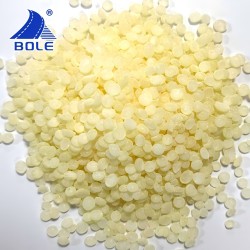
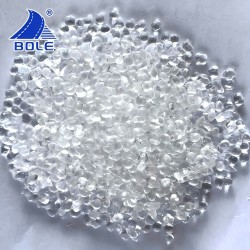
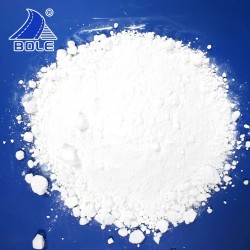
Composition and Ingredients
- Resins (Binders): These polymers ensure strong adhesion to pavement surfaces, enhancing durability and resistance to wear.
- Pigments: Commonly used pigments include titanium dioxide for white markings and organic pigments like Pigment Yellow 65, 74, or 83 for yellow markings. These pigments provide opacity and color visibility.
- Fillers: Fillers such as calcium carbonate control viscosity, while coarser fillers like sand enhance mechanical strength and skid resistance.
- Glass Beads: Small reflective glass spheres embedded within the paint significantly enhance nighttime visibility and protect the markings from abrasion.
- Additives: Special additives are included to improve paint characteristics, such as resistance to settling, pollution, and color fading.
Application Process
- Heating the thermoplastic material in a hot-melt kettle to around 200°C until it liquefies.
- Using specialized road marking machines to apply the molten paint through methods like spraying, screeding, or extrusion.
- Allowing the paint to cool rapidly, enabling roadways to reopen quickly after application, usually within minutes.
Key Advantages
- Durability: Highly resistant to wear and tear, making it suitable for high-traffic areas.
- Reflectivity: The inclusion of glass beads ensures superior reflectivity, providing clear visibility during nighttime or low-light conditions.
- Fast Application and Curing: Quick curing time minimizes traffic disruption and reduces overall maintenance costs.
- Versatility: Available in various colors and customizable for diverse applications.
Typical Applications
- Roads and Highways: Lane markings, edge lines, and central dividing lines.
- Parking Lots: Marking spaces, directional arrows, and pedestrian crossings.
- Airports: Runway and taxiway markings, crucial for aviation safety.
- Pedestrian and Anti-skid Areas: Effective for pedestrian walkways, large anti-skid zones, and industrial facilities.
Safety and Environmental Considerations
- Safety Concerns: During wet or snowy conditions, thermoplastic markings can become slippery. Many countries require the integration of anti-skid particles or reflective glass beads to enhance grip and safety.
- Environmental Issues: Thermoplastic road markings contribute to microplastic pollution. Studies indicate they account for approximately 0.7%-19% of microplastic contamination due to abrasive wear. Adopting eco-friendly formulations and controlled application practices can help mitigate these environmental impacts.
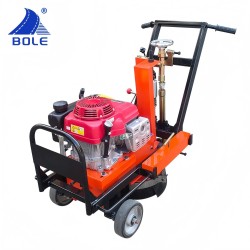

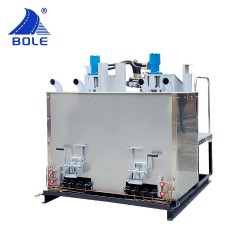
- Hot-melt Kettle: Continuously heats, melts, and stirs the thermoplastic material, maintaining optimal viscosity and temperature.
- Road Marking Machine: Precisely applies molten thermoplastic paint onto road surfaces, ensuring consistent thickness and quality of markings.
Conclusion
Thermoplastic road marking paint stands out as an effective solution for safe, durable, and highly visible road markings. While it offers clear advantages in performance and longevity, considerations around safety and environmental impacts should guide its careful application. Selecting high-quality materials and professional equipment is essential to maximize benefits and minimize potential drawbacks.


