When selecting the best road marking paint for your project, it's important to choose a material that matches the road type, traffic volume, and environmental conditions. As a leading thermoplastic road marking paint manufacturer, we recommend considering thermoplastic road marking paints for long-lasting and high-visibility solutions. The most commonly used materials include:
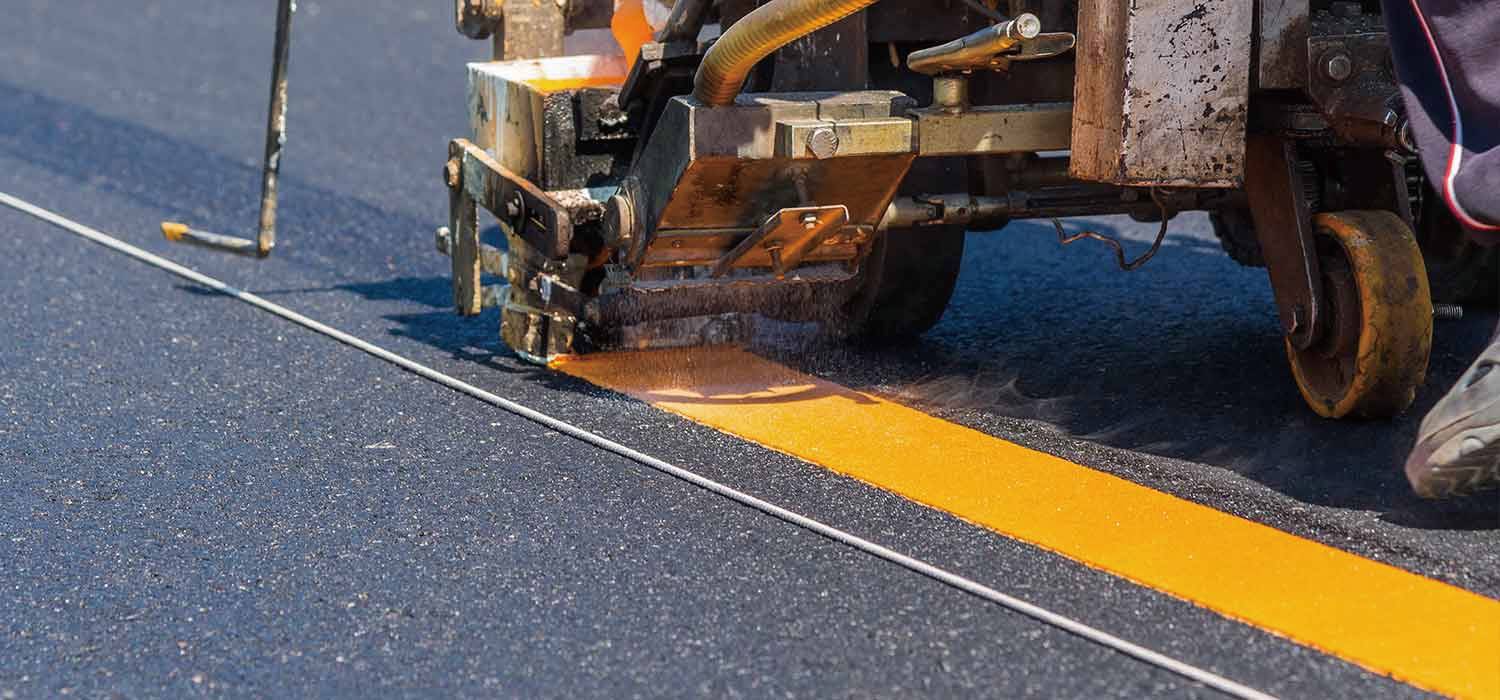
Thermoplastic road marking paint is widely regarded as the best material for road marking due to its outstanding durability and superior reflective properties. This makes it ideal for high-traffic roads, highways, and areas that require long-lasting, visible markings. Applied by heating the paint to 180°C and spraying it onto the road, it is also known as hot melt marking paint or hot tape.
Benefits of Thermoplastic Road Marking Paint:
Best Use for Thermoplastic Road Marking Paint:
Water-based road marking paints are also an option, commonly used in areas requiring a low-profile and anti-slip properties. While it may not have the same durability as thermoplastic road marking paint, it is an eco-friendly choice for car parks, warehouses, and airfields where heavy wear is not a primary concern.
Benefits:
MMA (Methyl Methacrylate) cold plastic road marking paint combines the best features of both paint and thermoplastic. It offers superior durability and retains color well without fading, making it perfect for high-traffic areas like intersections and pedestrian crossings. It is applied cold, making it faster to use compared to hot-melt systems.
Benefits:
Epoxy resin-based paints are highly durable and resistant to chemicals, making them suitable for industrial applications and areas with heavy vehicle traffic. However, thermoplastic road marking paints are typically preferred for most road applications due to their superior longevity and visibility under varying weather conditions.
Benefits:
Choosing the best road marking paint depends on various factors such as durability, reflectivity, cost, and traffic conditions. Here's a quick comparison of the different types of road marking paints:
Thermoplastic road marking paint is generally the most durable option, especially in high-traffic areas. It lasts longer than both water-based and MMA paints, making it an excellent investment for roads that see heavy use.
Thermoplastic paints, especially when combined with glass beads, provide superior reflectivity and visibility, particularly in low-light conditions.
Water-based paints are more affordable upfront but may require more frequent maintenance. Thermoplastic road marking paints, while slightly more expensive initially, offer long-term cost savings due to their durability and minimal maintenance needs.
Thermoplastic road marking paints offer a quick drying time and can be applied efficiently, reducing downtime. MMA and epoxy resin paints also offer quick curing, but water-based paints tend to require more time for drying and touch-ups.
When selecting the best road marking paint, consider the following:
As a thermoplastic road marking paint manufacturer, we highly recommend thermoplastic paints for most road marking projects due to their superior durability, reflectivity, and long lifespan. However, depending on the specific needs of your project, other options like MMA or water-based paints may also be suitable. By carefully considering traffic conditions, weather, and long-term costs, you can choose the right road marking paint to ensure safety, durability, and performance for years to come.


