Discover the lifespan of thermoplastic road marking paint on our informative page. Understand the factors affecting durability, maintenance tips, and how to choose the right marking solution for long-lasting results. Ideal for contractors and city planners, this resource provides essential insights into ensuring effective road markings.
What is Thermoplastic Road Marking Paint?
Thermoplastic road marking paint is a type of pavement marking material made from a mixture of binder resins, pigments, glass beads, and fillers. It is called "thermoplastic" because it becomes liquid when heated and solidifies when cooled, creating a strong bond with the road surface. This unique property makes it ideal for long-lasting road markings that are resistant to wear and tear.
Factors Influencing the Longevity of Thermoplastic Road Marking Paint
- Traffic Volume and Type: The amount and type of traffic on a road are significant factors in determining the lifespan of thermoplastic road markings. High-traffic areas subjected to heavy vehicles, such as trucks and buses, will experience more wear and tear, reducing the longevity of the paint. Conversely, markings in low-traffic areas tend to last longer.
- Climate and Weather Conditions: The local climate and weather conditions play a vital role in the lifespan of thermoplastic road markings. Extreme temperatures, UV exposure, and frequent freeze-thaw cycles can cause the paint to deteriorate more quickly. In regions with harsh weather, regular maintenance and reapplication may be required to extend the life of the markings.
- Road Surface Quality: The condition of the road surface itself can impact the durability of thermoplastic road markings. A well-maintained and smooth road surface will support better adhesion and longer-lasting paint. Irregular or damaged road surfaces can cause premature paint wear.
- Quality of Installation: Proper installation is vital for maximizing the lifespan of thermoplastic road markings. Qualified professionals should handle the application process to ensure that the paint adheres well to the road surface. Inadequate application can result in premature peeling or fading of the markings.
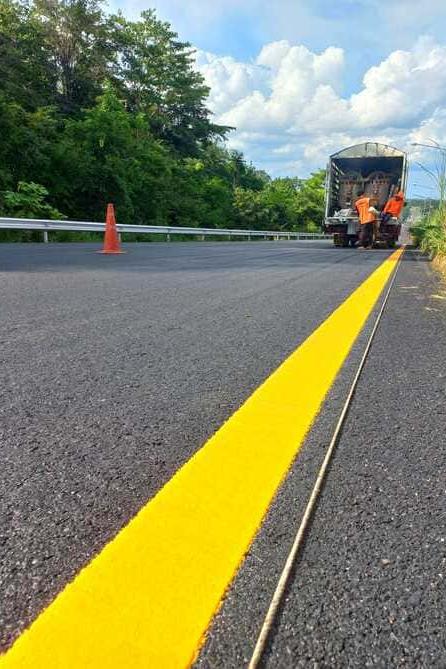
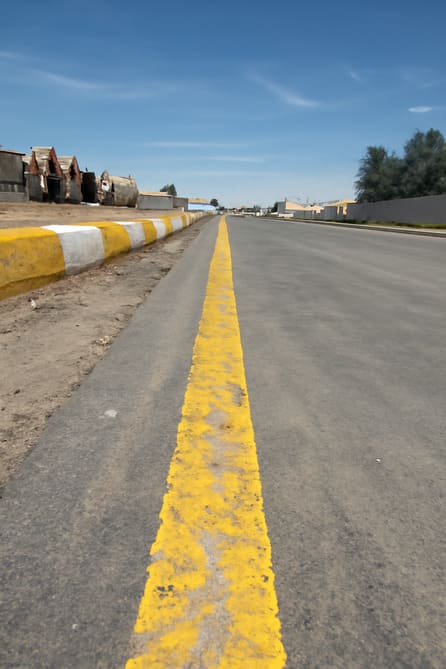
How Long Does Thermoplastic Road Marking Paint Typically Last?
The lifespan of thermoplastic road marking paint generally ranges from 3 to 5 years, but it can last up to 10 years with proper installation and maintenance. The actual duration depends on factors such as traffic conditions, climate, road surface quality, and how well the markings are maintained.
In areas with heavy traffic or extreme weather, thermoplastic markings may require more frequent maintenance. However, regular upkeep, such as cleaning and refreshing the glass beads, can help extend their lifespan and ensure the markings remain visible and effective.
How to Extend the Lifespan of Thermoplastic Road Marking Paint?
- Regular Maintenance and Inspection: It's important to regularly inspect thermoplastic markings for any signs of wear or damage. Keeping the markings clean and ensuring the glass beads are intact will help prolong their life.
- Reapply Glass Beads: The reflectivity of thermoplastic road markings is largely dependent on the glass beads embedded in the paint. Over time, these beads may wear off, so it’s crucial to reapply them regularly to maintain high visibility, especially at night.
- Preventive Measures: In regions prone to extreme weather conditions, such as freeze-thaw cycles or excessive heat, taking preventive measures can help preserve the durability of thermoplastic markings. For instance, applying additional coats in high-impact areas can improve the markings' resistance to wear.
Thermoplastic Road Marking Paint vs. Other Marking Paints
Thermoplastic Paint vs. Traditional Paint: While traditional road paints typically last for 1-2 years, thermoplastic paint can last 3-5 times longer, making it more suitable for high-traffic areas and environments that require a long-lasting solution.
Thermoplastic Paint vs. Epoxy Paint: Although epoxy paint provides a durable option for low-traffic areas, thermoplastic paint outperforms it in high-traffic areas and harsh climates, thanks to its excellent durability and high resistance to wear.
Conclusion
Thermoplastic road marking paint offers a durable and long-lasting solution for road markings. Its lifespan generally ranges from 3 to 5 years, but it can last even longer with proper maintenance. The lifespan of thermoplastic markings is influenced by traffic volume, weather conditions, road surface quality, and installation quality.
To maximize the effectiveness and longevity of thermoplastic road markings, it is essential to consider these factors and invest in regular maintenance. When properly installed and maintained, thermoplastic road markings can provide years of safety and guidance for drivers, pedestrians, and cyclists, contributing to safer and more efficient road networks.


