Learn if thermoplastic road marking paint is slippery, what causes it, and how BOLE offers anti-skid solutions for wet roads, slopes, and high-traffic areas.
Can Thermoplastic Paint Be Slippery?
Thermoplastic road marking paint is designed to be durable, reflective, and safe—but under certain conditions, it can become slippery. This is especially true in wet weather, on polished surfaces, or when the paint is applied without anti-skid additives. While thermoplastic is not inherently hazardous, improper application or missing surface texture can lead to reduced friction.
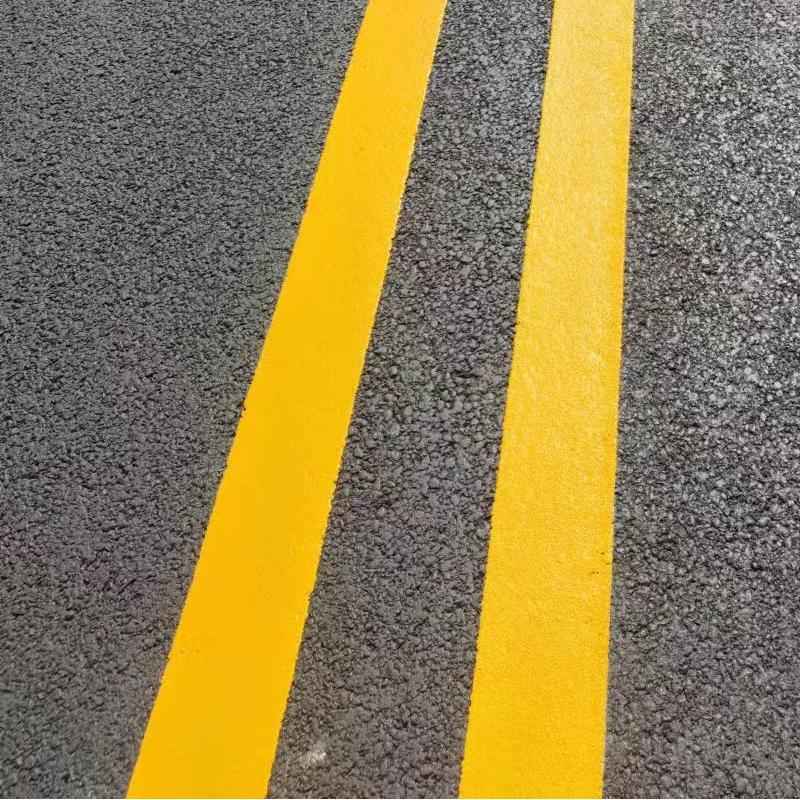
Why Slipperiness Happens
- Smooth Surface: If the paint cures without surface roughness, it offers little grip for tires or shoes.
- No Anti-Skid Fillers: Paint without glass beads, silica sand, or ceramic grit can be dangerously slick.
- Incorrect Application: Low temperature, thin coating, or rapid cooling can result in a glassy, slippery surface.
- Wet or Oily Roads: Thermoplastic lines on wet roads are more prone to slipping—especially for motorcycles and bicycles.
What Do Standards Say?
To address safety concerns, many international standards include specific anti-slip requirements for thermoplastic paint:
- BS 3262 (UK): Requires thermoplastic materials to meet a minimum skid resistance value.
- AASHTO M249 (USA): Allows use of skid-resistant aggregates for surface treatment.
- DPWH DO 103 (Philippines): Mandates the use of glass beads and limits the paint's specific gravity to ensure roughness and reflectivity.
Some countries even restrict the use of smooth thermoplastic road marking paint in high-risk areas such as slopes, curves, and pedestrian crossings.
How BOLE Solves the Problem
BOLE understands that different environments demand different formulations. That’s why we offer:
- Custom anti-skid formulas with coarse fillers like glass beads, quartz sand, or ceramic particles.
- Adjustable softening points to match the local climate (humid, rainy, or hot regions).
- Project-specific recommendations for high-traffic intersections, ramps, crosswalks, or motorcycle lanes.
- On-demand OEM packaging with color coding or warning labels for anti-skid products.
All BOLE paints are tested for durability and friction to ensure safety in real-world applications.
Conclusion: Safety Is in the Details
Thermoplastic paint can be slippery if used incorrectly, but with proper formulation and application, it offers outstanding performance and long-term safety. If you're planning a road project in an area with high rainfall, frequent turns, or heavy motorcycle traffic, consider choosing an anti-skid thermoplastic paint version.
Contact BOLE to learn more about our non-slip road marking solutions tailored to your region and project type.


