
Thermoplastic road marking paint is a 100% solid, hot‑melt pavement coating. It is heated to approximately 180–210 °C, applied in a molten state, and solidifies upon cooling to form a thick, durable film. Compared with conventional cold paints, thermoplastic markings offer higher film thickness (typically 1.5–3.0 mm), faster return‑to‑traffic, stronger adhesion, superior wear resistance, and excellent nighttime retroreflectivity when used with glass beads. These properties make thermoplastic paint the preferred choice for highways, urban roads, airports, ports, and industrial parks that demand long‑lasting visibility.
Performance on the road is determined by what happens in the formula. A balanced thermoplastic system includes the following components working in concert:

What it is: The binder is the “glue” of the system, most commonly hydrocarbon resin or modified rosin (alkyd) resin, usually combined with plasticizers.
What it does: At application temperature, the binder melts and provides flow; on cooling it forms a tough, continuous film that locks in pigments, fillers, and beads. Hydrocarbon resins typically deliver stable melt behavior and color stability; alkyd systems show strong resistance to oil and fuel contamination and often provide excellent long‑term durability in urban conditions.
Buyer’s note: Higher binder content generally means stronger adhesion, better crack resistance, and longer service life — but also a higher material cost.

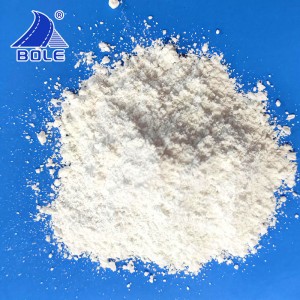
What they are: Inert mineral powders such as calcium carbonate, talc, or silica/sand with controlled particle-size distribution.
What they do: Fillers provide bulk and mechanical strength, tune surface texture for skid resistance, and help control the melt viscosity and film build. A correct filler‑to‑binder ratio enhances wear resistance and stability. Excess filler lowers cost but can embrittle the film, reduce adhesion, and shorten lifespan.
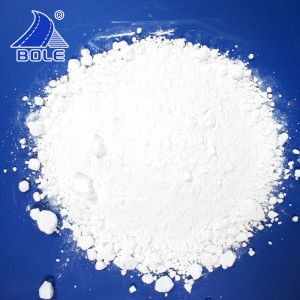

What it is: The principal white pigment (preferably rutile grade for UV/weather resistance).
What it does: Provides whiteness, opacity, and brightness for daytime visibility, and supports nighttime retroreflectivity by offering a high‑contrast background behind glass beads. The more TiO₂, the higher the whiteness and hiding power — and, correspondingly, the higher the cost.
What they are: Yellow colorants for centerlines and separation markings. Due to environmental regulations, modern systems increasingly use lead‑free organic/inorganic yellows with good heat and light stability.
What they do: Provide vivid, durable color that resists thermal discoloration during hot‑melt application and long‑term UV exposure.
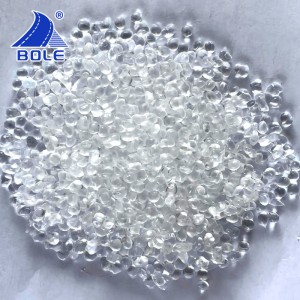
What they are: Transparent, high‑refractive‑index microspheres (typically 100–600 μm) that refract and return headlight beams to the driver.
Standards and practice: To secure consistent night visibility, AASHTO M249 specifies a glass bead content of at least 30% by weight for thermoplastic systems. The rule of thumb is simple: the more glass beads, the stronger and longer‑lasting the retroreflectivity — with a corresponding increase in cost.
Application tip: Target ~50–60% embedment depth for drop‑on beads (about half the bead protruding) to balance retention and optical performance.
What it does: Improves melt flow and leveling, creates a smoother, denser surface, increases abrasion resistance, and lowers surface energy to reduce dust and dirt pickup — which helps markings stay cleaner and brighter for longer.
Formulation choices directly impact both performance and price. The procurement calculus is to match composition with traffic, climate, maintenance windows, and safety targets:
Conversely, reducing these premium inputs lowers price but typically shortens service life, dulls visibility, and increases lifecycle cost due to earlier maintenance or re‑marking.
In real‑world conditions — mud, dust, high humidity, and oil drips — thermoplastic markings can darken and lose brightness. The main reasons are:
Countermeasures: Use PE wax or hydrophobic agents to lower surface energy; verify correct drop‑on rate and ~50–60% embedment; consider self‑cleaning (photocatalytic) additives for dust‑prone corridors; and maintain adequate intermixed bead reserves to keep retroreflectivity alive as the surface wears.
| Component | Function | Impact on Performance | Impact on Cost |
|---|---|---|---|
| Thermoplastic Resin (Binder) | Binds all ingredients; provides adhesion and flexibility. | Higher binder = stronger adhesion, crack resistance, longer life. | ↑ Binder → ↑ Cost |
| Fillers | Provide bulk, wear resistance, and control surface texture. | Balanced ratio improves durability; excess causes brittleness. | ↑ Filler → ↓ Cost (but may reduce lifespan) |
| Pigments – Titanium Dioxide (TiO₂) | Provides whiteness, opacity, UV stability. | More TiO₂ = brighter, whiter markings, better visibility. | ↑ TiO₂ → ↑ Cost |
| Pigments – Yellow | Provides high‑visibility yellow color. | Heat/light‑stable grades resist fading in service. | Lead‑free options usually cost more. |
| Glass Beads | Create night retroreflectivity (intermixed + drop‑on). | More beads = stronger & longer‑lasting reflection (AASHTO M249 ≥30%). | ↑ Beads → ↑ Cost |
| Additives – PE Wax | Improves flow, smoothness, wear, and dirt resistance. | Smoother, cleaner surface maintains brightness longer. | Quality wax adds cost but saves maintenance. |
| Other Additives | Antioxidants, coupling agents, photocatalytics, anti‑settling aids. | Enhance durability, bead retention, and cleanliness. | Specialized packages increase upfront cost, extend service life. |
Thermoplastic road marking paint is a precision‑balanced system. As a professional supplier, our guidance is straightforward:
By aligning composition with traffic, climate, and maintenance strategy, buyers can achieve the optimal balance of safety performance and lifecycle cost.


