As a long-term supplier of thermoplastic road marking paint for highway projects, we are often asked: “Can a simple line on the road really make a difference?” The answer is yes. We’ve seen drivers stay safe because a bright reflective line guided them through fog, and we’ve also seen danger arise from faded, darkened markings that vanished in the rain. For us, every line is part of safety—it’s not just color, but a responsibility.
When a driver has been on the highway for hours, fatigue sets in. At that very moment, as the tires roll over a slightly raised rumble line, the 2mm bump of thermoplastic paint sends a subtle vibration through the steering wheel—just enough to bring awareness back. This is not accidental design; it’s the science of safety. Thermoplastic coatings can be applied thickly to create a tactile warning. The embedded glass beads reflect headlights at night or through fog, forming a visible path even when visibility drops.
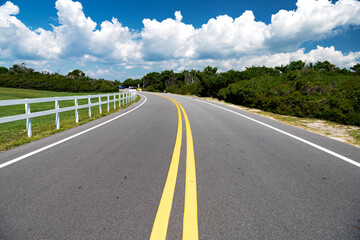
This dual sensory alert—both visual and tactile—has proven highly effective. In many regions, such rumble markings have reduced lane-departure accidents by over 30%. Learn more about how these coatings work in Thermoplastic Road Marking Paint (Wikipedia).
But not all lines are safe. When road marking paint turns dark or yellowish, its reflection fades. On a rainy night, a driver may no longer see where the lane ends—and that’s when danger begins. Blackened lines absorb light instead of reflecting it. In heavy rain, they appear as voids on the pavement. Uneven or cracked markings interrupt visual continuity, misleading drivers during lane changes or overtaking.

The causes are often predictable:
A few hundred dollars saved on substandard paint can later cost thousands in repainting—or worse, safety risks.
On long highway projects, time is the hidden cost. A line that extends hundreds of kilometers requires more than manpower—it needs efficiency. If workers rely on manual push machines and non-soluble packaging, they lose hours just opening bags and loading powder. Instead, modern contractors now use electric or ride-on marking machines and soluble thermoplastic bags that melt directly in the preheater.
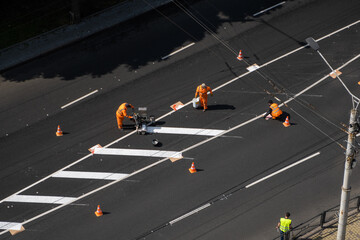
Correct heating between 180–210°C ensures smooth flow and firm adhesion. Maintaining even coating thickness (1.5–2.5mm) provides consistent retroreflectivity, while synchronized glass bead broadcasting prevents gaps in brightness. Every detail—from temperature to tool—decides whether a line can endure traffic and weather for years.
Buyers play an equally vital role in safety. Before any order, they should verify:
Once a project adopts low-quality materials, repainting cycles shorten dramatically, increasing lifetime cost and traffic disruption.
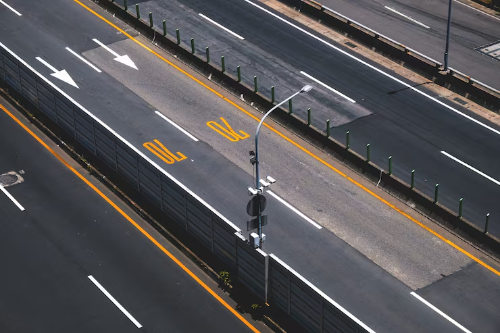
For certified, durable options, explore BOLE Thermoplastic Road Marking Paint, which meets international standards and offers professional after-sales guidance.
From our experience as a global road marking paint manufacturer, every bag of paint we deliver carries responsibility. We encourage contractors and procurement engineers to think beyond price—look into formulation quality, construction method, and long-term visibility. Only when all three align can a road marking truly serve its purpose: keeping every driver awake, aware, and safe.

At BOLE, we provide more than paint—we provide solutions for durable and safe highways. Whether your project involves expressways, airports, or industrial zones, our technical team can recommend the right formulation, retroreflective bead system, and application method. Let’s work together to make every highway line a mark of trust and precision.
👉 Contact BOLE for professional highway marking solutions


