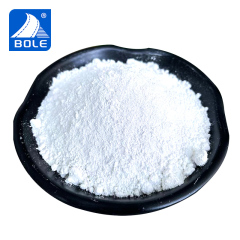
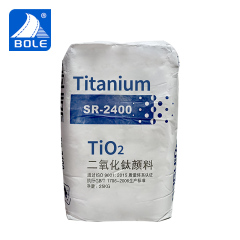
Titanium dioxide (TiO₂) is the core pigment in thermoplastic road marking paint, and its primary functions include:
| Parameter | Specification | Description |
|---|---|---|
| TiO₂ Content | ≥92% | Higher purity ensures better performance. |
| Particle Size | 0.2-0.3 μm | Fine particles improve opacity and dispersibility. |
| Opacity | ≥1200 g/m² | High opacity reduces paint usage. |
| Whiteness (L value) | ≥97 | High whiteness ensures vivid marking colors. |
| Weather Resistance | Passes QUV aging test (2000 hours) | UV resistance extends marking lifespan. |
| Oil Absorption | 16-20 g/100g | Affects paint flow and application performance. |
| Pigment Type | Advantages | Disadvantages | Applications |
|---|---|---|---|
| Titanium Dioxide (TiO₂) | High opacity, whiteness, weather resistance, eco-friendly | Higher cost | White/yellow markings, high-reflectivity roads |
| Zinc Oxide (ZnO) | Antibacterial, antifungal, low cost | Low opacity, prone to yellowing | Low-demand markings, antifungal needs |
| Calcium Carbonate (CaCO₃) | Low cost, increases paint volume | Low opacity, prone to chalking | Filler, cost reduction |
| Iron Oxide (Fe₂O₃) | Vibrant color, low cost | Poor weather resistance, prone to fading | Red markings, temporary markings |
| Chrome Yellow (PbCrO₄) | Vibrant color, high opacity | Toxic, restricted by environmental regulations | Gradually being phased out |